Engineering Honesty
Capacity curves you can reproduce on feed trials, hydraulic cleanliness numbers you can sample, and discharge opening settings that match the tender sheet.
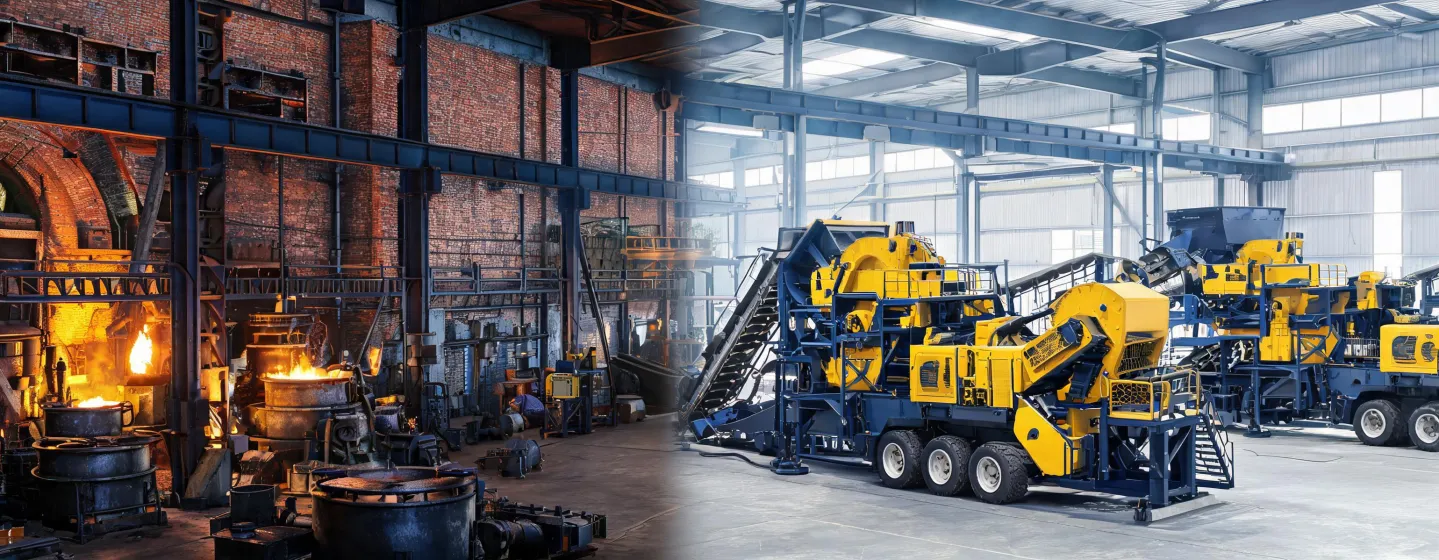
From early foundry sprockets to today’s Tier 4 Final mobile jaw, impact and screening plants — Kleemann engineering stays accountable to published feed size, discharge opening and t/h curves.
Family-owned ironworks supplies manganese jaw plates and sprocket blanks for early stationary crushing lines across northern European aggregate pits.
Trailer-mounted primary jaw units cut haul distance for highway base production, establishing the mobile plant mindset still used on quarry pads today.
Horizontal shaft impactors join the catalog so asphalt producers can chase cubic product without forcing every circuit through a secondary cone only.
Self-propelled jaw and screen trains export to Middle East and Southeast Asian limestone operations with documented capacity curves attached to each serial number.
Diesel packs with DPF and SCR aftertreatment cover the crushing and screening fleet for regulated markets, with NOx and PM logs filed per machine.
Pilot hybrid assist packages reduce idle fuel burn on screening plants during stockpile reclaim windows without sacrificing vibration frequency stability.
Capacity curves you can reproduce on feed trials, hydraulic cleanliness numbers you can sample, and discharge opening settings that match the tender sheet.
Eight-thousand-hour wear planning, liner rotation discipline and screen cloth stocking so daily t/h targets survive abrasive granite campaigns.
Cab ergonomics, clear gap controls and Tier 4 noise management — the operator who runs the plant should win the shift, not fight the HMI.
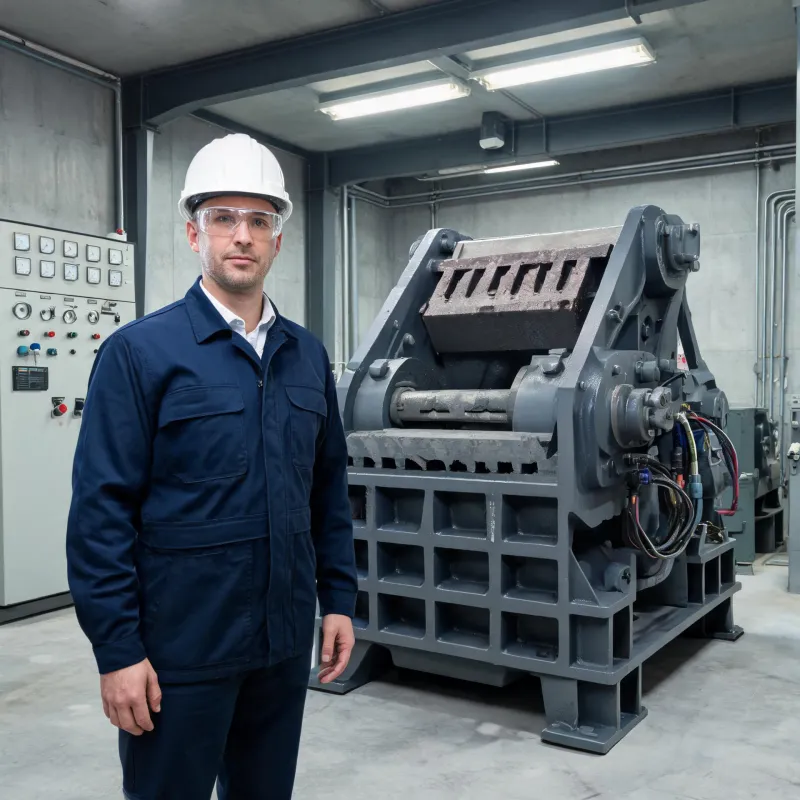
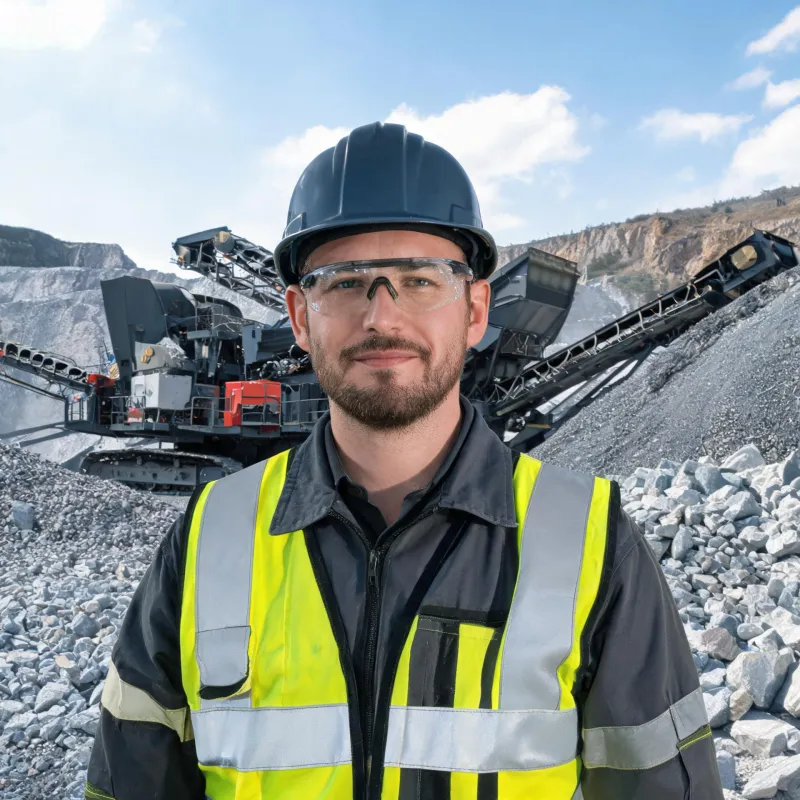
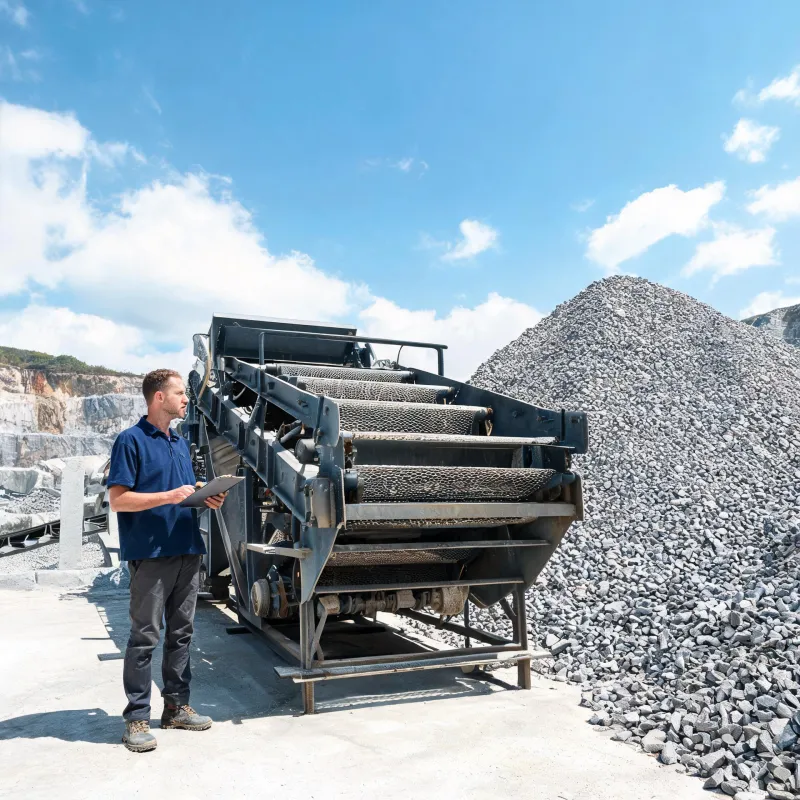
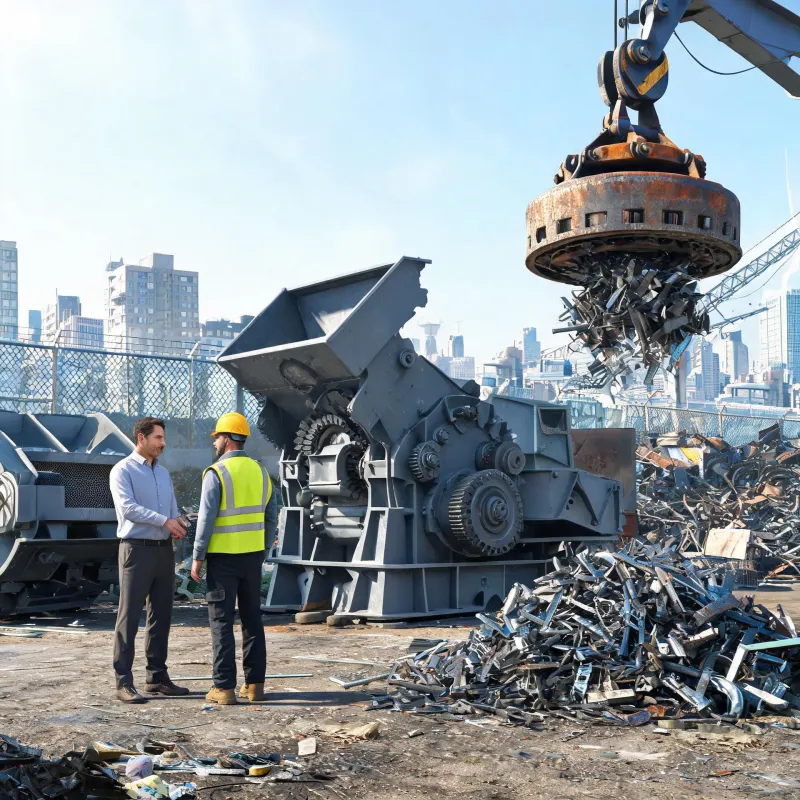
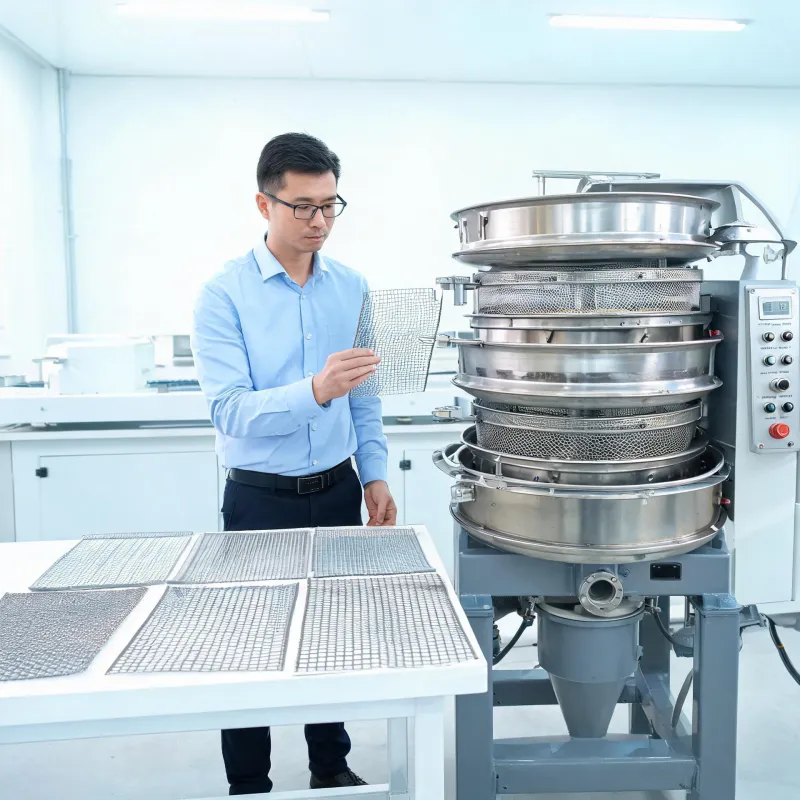
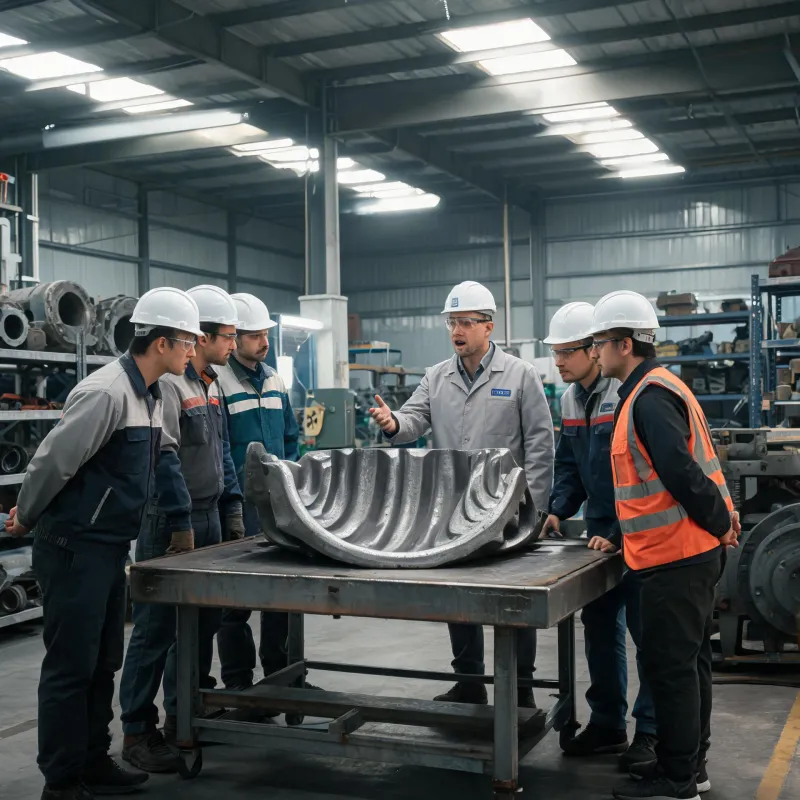
Quarry and recycling customers can schedule a guided walkthrough of gap setting, screen RPM checks and Tier 4 documentation handoff.
Request a customer tour